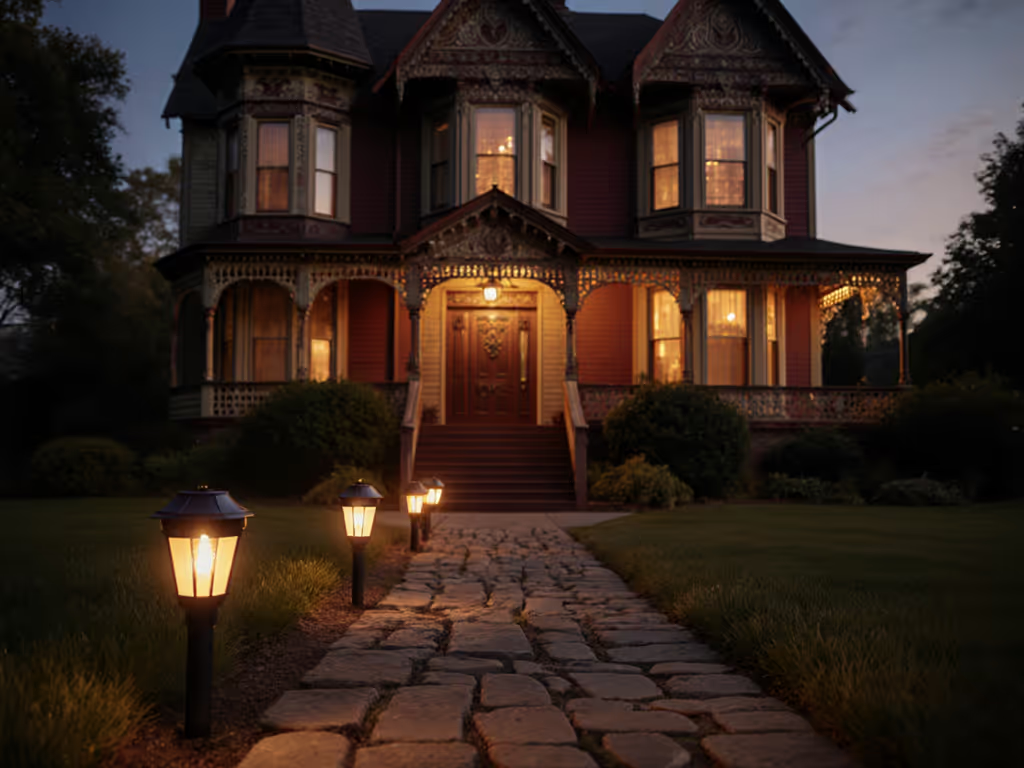
Calming Solar Garden Lights for Senior Safety & Serenity
By Maya Lindstrom • 1st Jan
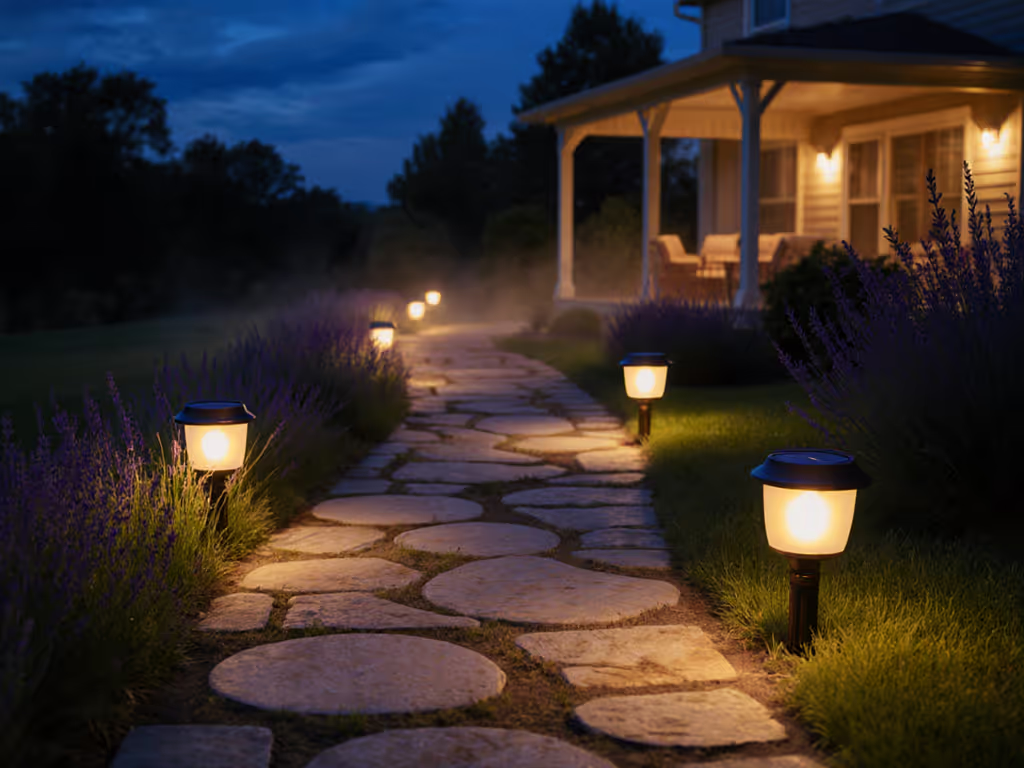
When planning your garden's evening presence, the right solar gardening lights become more than decoration, they become essential, accessible solar illumination that blends safety with serenity. One evening, my neighbor thanked me for replacing a glaring bollard with low, warm markers. We could see steps, hear crickets, and nobody squinted. That moment set my compass: shape the beam, dim the source, choose 2700K or below, and let the garden glow, not the fixture. Too many well-meaning homeowners install lights that create hazards instead of solutions, especially for those with aging eyes or mobility concerns. Let's explore how thoughtful lighting can transform your garden into a sanctuary where safety and calm coexist.
The Unseen Dangers of Poor Garden Lighting
Most solar lights marketed as "senior-friendly" actually create more problems than they solve. Harsh white LEDs above 3000K scatter light unpredictably, creating dangerous contrast between brightly lit patches and deep shadows. This visual chaos is particularly problematic for older eyes, which need consistent, even illumination to navigate safely. I've watched guests hesitate on familiar paths, their feet uncertain beneath the glare of cheap fixtures that prioritize brightness over thoughtful beam control.
Consider Mrs. Henderson down the street: her grandchildren visit weekly, but she worries about their safety after dusk. She installed "bright" solar stakes along her path, only to find them creating treacherous pools of light separated by darkness. The glare made it harder, not easier, to see tripping hazards. Her story isn't unique; it mirrors countless situations where lighting designed for security actually undermines safety for those who need it most.
Let the garden glow, never the fixture staring back.
When Safety Battles Serenity
Many homeowners face a false choice between safety and serenity. "Best security solar lights" often mean blinding floods that cast stark shadows, trigger insomnia in nearby bedrooms, or attract relentless insects. For seniors seeking restful evenings outdoors, this creates an impossible dilemma: either sacrifice safety for tranquility or endure harsh lighting that ruins the garden's calming effect.
I recall visiting a community garden where well-intentioned volunteers installed high-lumen solar floods. The result? A sterile, institutional atmosphere where no one wanted to linger after dusk. Older visitors complained about headaches and disorientation, while nocturnal wildlife vanished. True safety shouldn't feel like an interrogation, it should feel like a gentle invitation to move through your space with confidence.
The crux lies in understanding that disability-accessible lighting isn't just about meeting minimum standards, it is about creating experiences where every step feels intuitive, where textures reveal themselves gradually, and where the transition from day to night happens without visual shock.
The Right Light for Senior Spaces
Creating calming garden illumination requires three essential elements working together:
-
Warmth you can trust: Light between 2200K-2700K renders skin tones naturally and minimizes pupil constriction, crucial for aging eyes. Above 3000K, colors shift unnaturally and glare increases exponentially.
-
Controlled beam spread: Fixtures with proper shielding direct light downward where it's needed, not horizontally where it creates glare and light trespass. Look for optics that create soft-edged pools rather than harsh cutoffs.
-
Consistent all-day energy: Quality panels and lithium batteries maintain performance through cloudy days and short winter afternoons, ensuring lights remain on when seniors need them most.
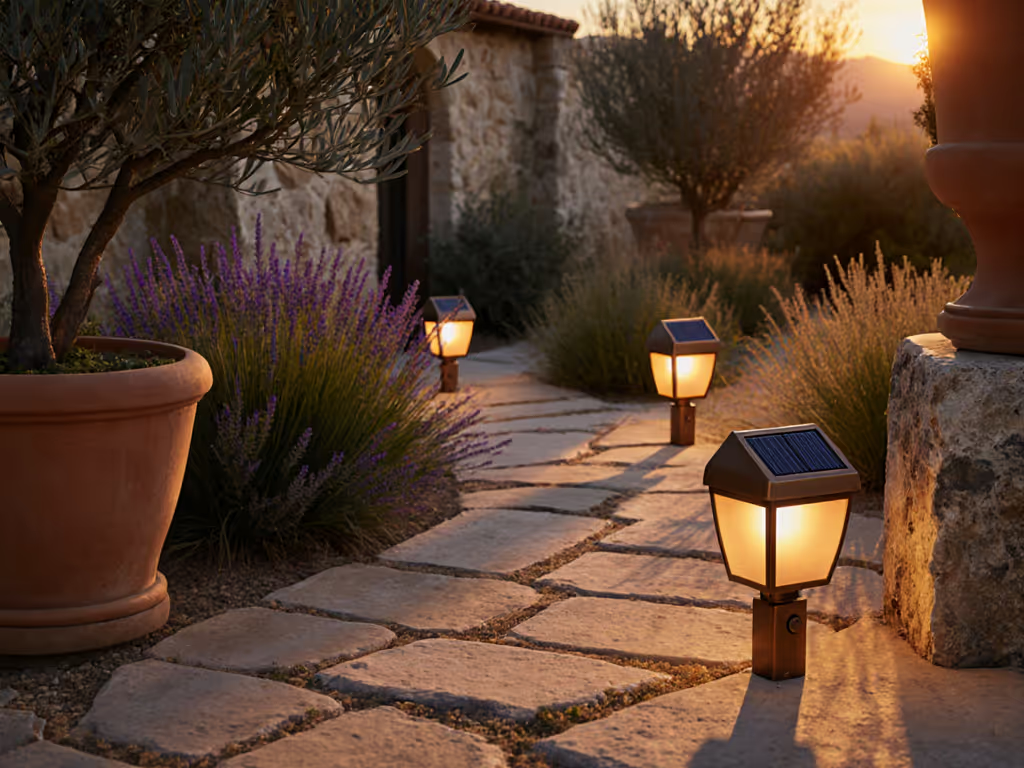
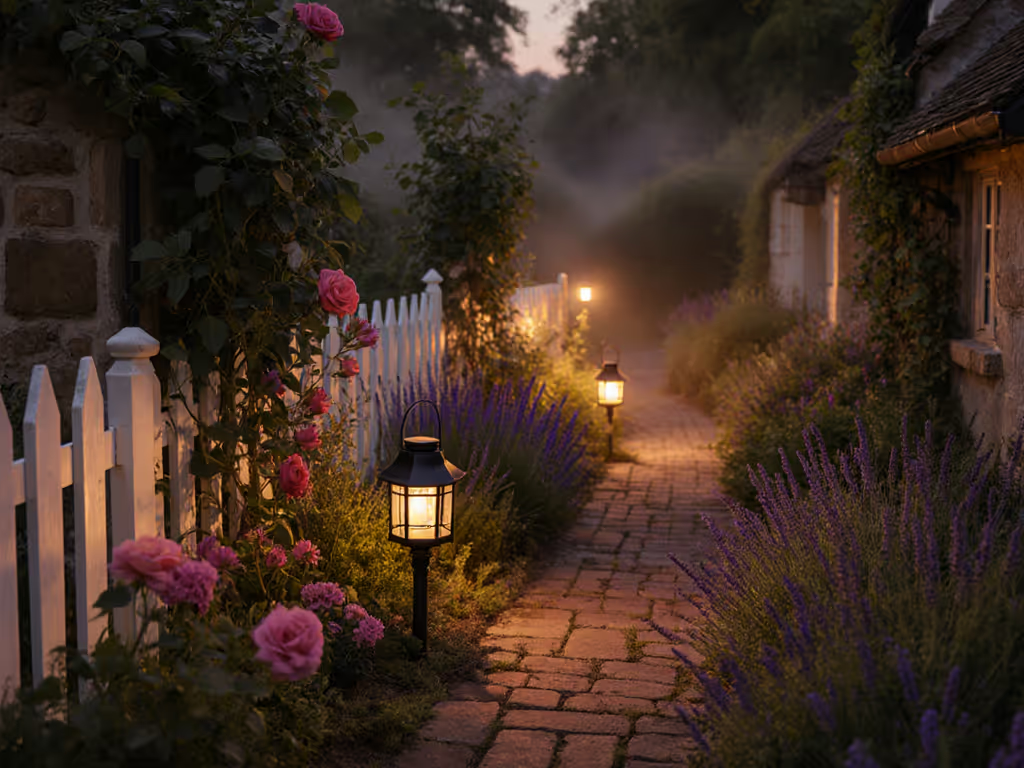
For step edges or seating areas, position fixtures no higher than 6-8 inches above grade. For stair-specific options with edge visibility and low glare, see our solar step lights safety tests. This low-angle illumination creates subtle shadows that define levels without overwhelming the eyes. Path markers should sit at consistent intervals (8-10 feet apart) to establish a visual rhythm that guides without distraction.
Warm first, always. That principle has guided my work for years, especially when designing for spaces where safety and comfort must coexist seamlessly.
Your Calm Light Installation Checklist
Before purchasing any solar gardening lights, evaluate your space with these senior-friendly criteria:
-
Test sightlines at dusk: Walk your paths as someone with reduced vision would. Does light reveal tripping hazards without creating glare zones?
-
Check seasonal sun exposure: Note where panels will receive winter sun. Quality lights with remote panels can be positioned for optimal winter charging while fixtures remain aesthetically placed.
-
Verify true performance metrics: Look beyond advertised lumens to battery capacity (measured in mAh), panel wattage, and independent winter testing reports.
-
Prioritize materials that endure: Stainless steel hardware, UV-stable polycarbonate lenses, and powder-coated aluminum housings withstand freeze-thaw cycles without failing when needed most.
-
Confirm easy maintenance access: Can you clean panels without tools? Are battery compartments accessible for occasional replacement?
If you want a simple framework to vet products in your own yard, use our solar light testing guide. A well-designed system creates what I call "predictable darkness": the comforting knowledge that when you step outside, your environment will reveal itself gradually, without visual surprises. This predictability is especially valuable for those with vision changes or mobility concerns, transforming anxiety into confidence with each gentle step.
A Gentle Path Forward
Start with one high-traffic pathway this week (perhaps the route from your back door to the garden bench where you enjoy morning coffee). Replace just two or three problematic fixtures with warmly tinted, low-glare options that cast light downward. Notice how the space feels different at twilight: no more squinting, no more startling contrasts, just a gentle invitation to move through your garden with assurance.
As you experience this subtle shift, you'll understand why so many homeowners I've consulted describe their properly lit gardens as "suddenly safe again." That neighbor who thanked me for those unobtrusive markers? She now hosts weekly twilight gatherings where everyone (from toddlers to octogenarians) moves freely under the stars, surrounded by light that honors both safety and serenity. Your garden can become that place too, one carefully placed beam at a time.
Related Articles